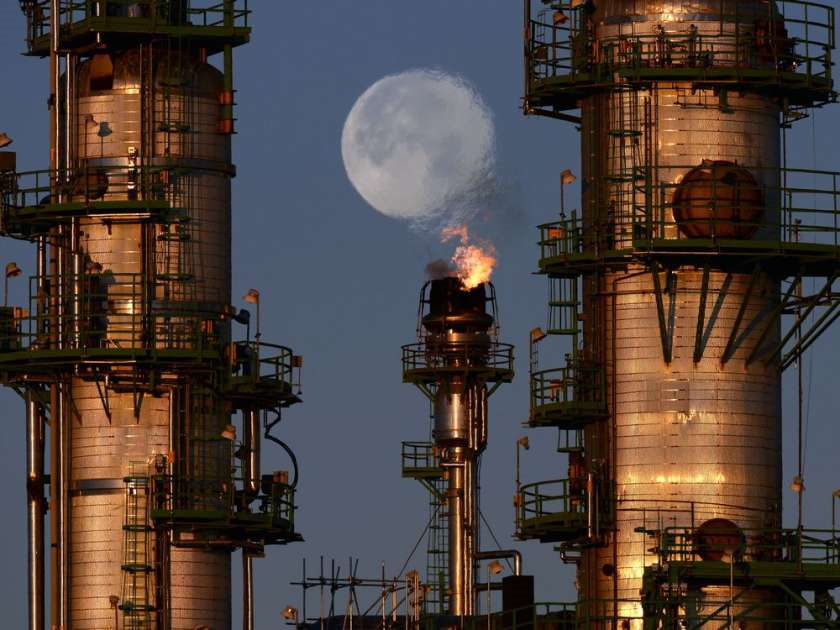
Flare systems are designed to safely burn excess hydrocarbon gases that cannot be recovered or recycled. Flare stacks are primarily used for burning off flammable gas released by pressure relief valves during unplanned over-pressuring of plant equipment. During flaring, the excess gases are combined with steam and safely burned in the flare. This is safer and more environmentally friendly than releasing the hydrocarbons directly into the atmosphere.
TechStar
Recent Posts
This blog was originally posted by SignalFire.
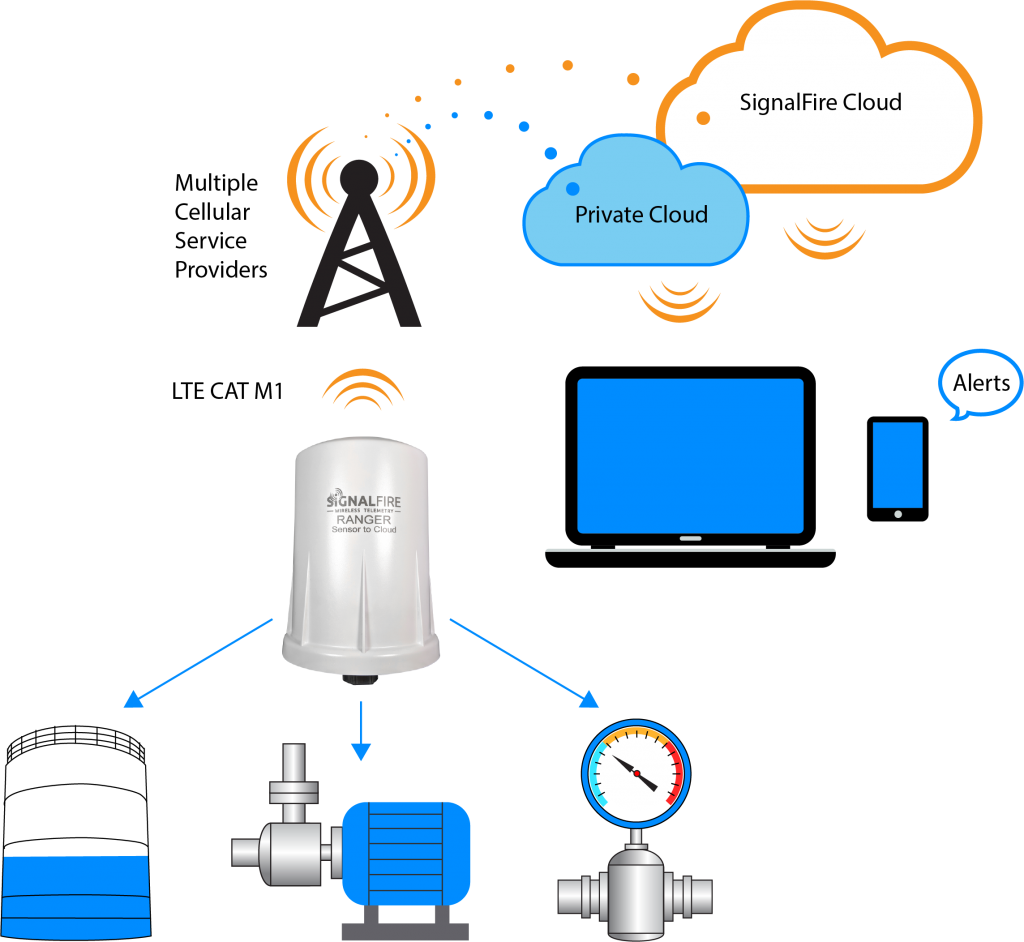
With the family of RANGER products & cloud interface, SignalFire offers a platform to easily and quickly deploy measurements where you need them with the least amount of hardware. The key objective of this product line is to monitor and even control without traditional systems like SCADA, PLC, edge device , etc. SignalFire created a solution that brings the sensor data right into an easy-to-use and mobile friendly cloud interface.
Moore Industries’ Digital and Wireless Technology Reduces Legwork at Pulp and Paper Site
This blog was originally posted by Moore Industries.
State regulations required a major pulp and paper company to monitor and record daily effluent water rates. This requirement was being fulfilled by sending an employee from their main control site to a remotely located pond three times a day to manually record water levels. This process was inefficient, time-consuming and didn’t provide them with real-time data.
Topics: Moore Industries
With the increased concern about clean air, many wastewater treatment plants have added scrubber systems and biofilters to control odors and pollution from hydrogen sulfide (H2S) and other waste biogases. Known for its rotten egg smell, H2S is a colorless, clear toxic gas that is a potential danger to employees and frequently is the source of obnoxious odor complaints from nearby downwind residents and businesses.
Topics: Wastewater
Custody Transfer Flowmeters – An Evolution in Technology
Custody Transfer (also known as Fiscal Metering) in the oil & gas industry refers to the transactional transfer of a substance, raw or refined, from one party (owner) to another.
Typically when a custody transfer is taking place, the end goal is to determine the value or payment between two parties for the physical substance (gas or liquid) that has exchanged hands via pipeline. For that reason, the flow instrument that measures the total amount of product changing ownership can be viewed as a cash register between the two parties.
Topics: Flow Solutions
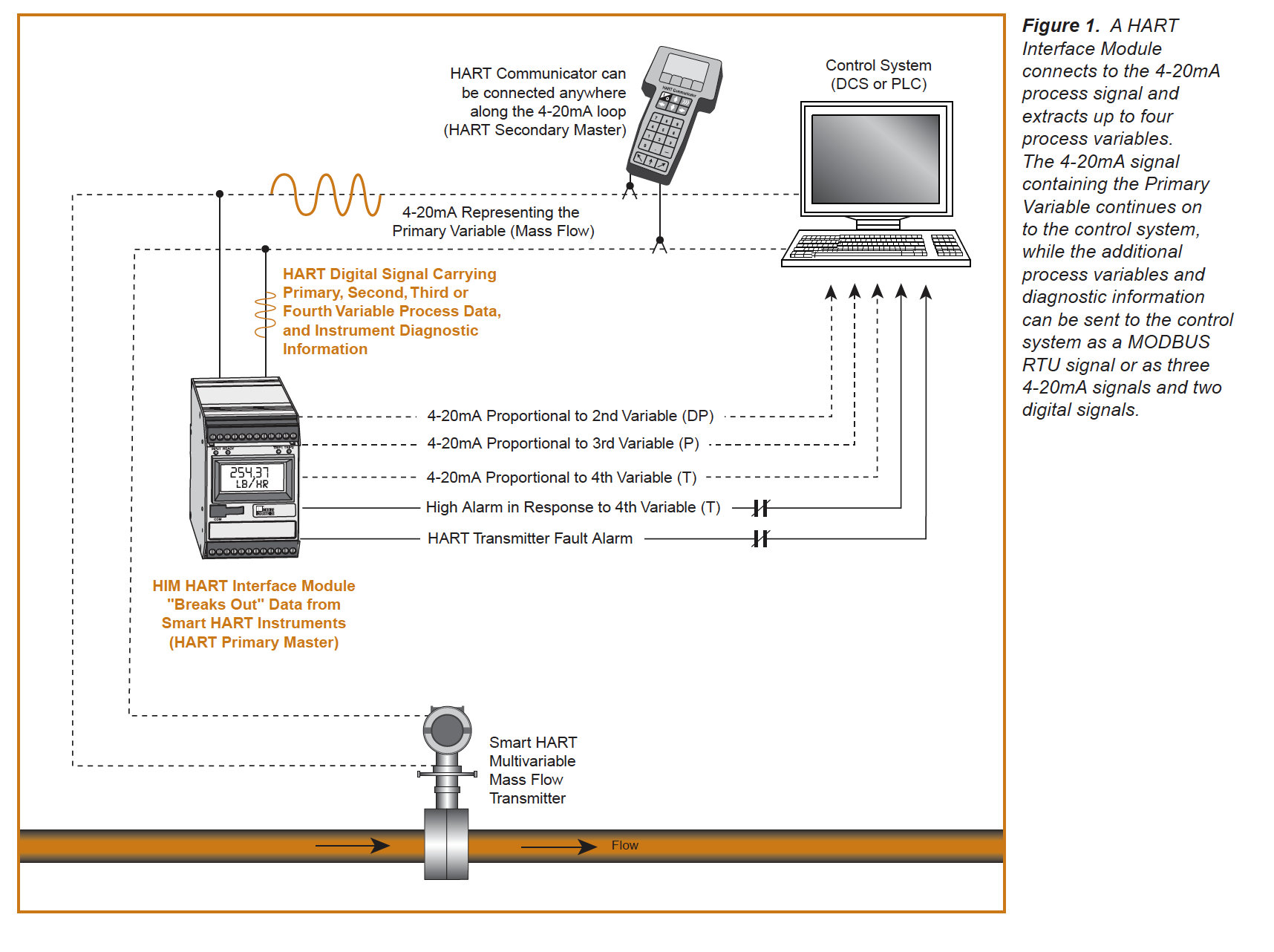
According to the HART® Communications Foundation, there are more than 30 million HART-enabled instruments installed in chemical and process plants worldwide, and nearly most process transmitters made today are HART compatible.
Topics: Moore Industries
Aluminum Oxide Sensors in Trace Moisture Applications: NINE THINGS TO CONSIDER WHEN MAKING MOISTURE MEASUREMENTS IN GASES
Trace moisture measurements in gas applications often appear to be simple and straight forward because the theory is relatively well understood; however, when the analyzer system is in service and we see unexpected measurement results, the head scratching begins.
Electrically everything appears to be correct so we assume the probe/sensor must be out of specification, right???
Topics: Moisture Measurement Solutions
Applications and Industries for Thermal Mass Flow Meters
This blog was originally posted by Fox Thermal.
Fox Thermal manufactures a full line of advanced thermal mass flow meters. Each flow meter is manufactured to strict quality standards, calibrated to NIST standards in their state-of-the-art calibration labs, and customized for your application needs.
Topics: Fox Thermal, Thermal Gas Mass Flow Meters, Flow Solutions
SignalFire Remote Sensing System Automates Tank Level Monitoring Applications Beyond the Oil & Gas Industry
Food manufacturing facilities, agricultural farms, chemical plants and other industrial plants use tanks and silos for storage of necessary processing ingredients or end product. Monitoring the levels of these steel storage vaults is essential for inventory control and safety. But, tank level monitoring is often a challenging task.
Topics: Signal Fire
TDLS8000: Maintenance-Free, SIL2 Certified and Explosion-Proof
This blog post was originally posted by Yokogawa.
In almost any chemical production facility, various substances frequently have to be stored temporarily in tanks or tank farms. Depending on the chemical substance involved, this circumstance can sometimes entail a risk of explosion. Elementary protection must therefore be provided to rule out the possibility of explosion. Ideally, this protection should prevent an explosive gas mixture from forming in the tank’s gas phase in the first place. This can be achieved by inerting the gas phase by blanketing it with nitrogen.
Topics: Yokogawa, Analytical Solutions, Automation